Acne-prone skin often feels oily, making many people believe that they don’t need a moisturizer.
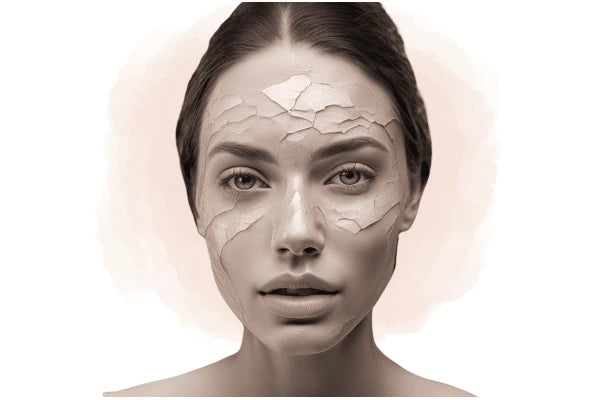
However, skipping moisturizer can worsen acne by leading to dehydration, irritation, and increased oil production. The key is to choose the right moisturizer that hydrates without clogging pores or aggravating breakouts. Let’s explore the challenges of using moisturizer with active acne and how to overcome them effectively.
Common Issues When Using Moisturizer with Active Acne
1. Fear of Worsening Acne
Many individuals avoid moisturizers, fearing they will make their acne worse. Some moisturizers contain heavy or occlusive ingredients that can clog pores, leading to breakouts.
2. Increased Oiliness
Certain moisturizers, especially those containing oils or rich emollients, can leave a greasy residue. This can make the skin feel even oilier, causing discomfort and potentially leading to more acne.
3. Irritation from Harsh Ingredients
Acne-prone skin is often sensitive due to active treatments like benzoyl peroxide, retinoids, or salicylic acid. Using a moisturizer with alcohol, artificial fragrances, or harsh preservatives can trigger irritation, redness, and peeling.
4. Product Incompatibility
Some ingredients in moisturizers may react negatively with acne treatments, reducing their effectiveness or causing irritation. For example, using a moisturizer with strong exfoliants alongside retinoids may lead to excessive dryness and sensitivity.
How to Choose the Right Moisturizer for Acne-Prone Skin
1. Look for Non-Comedogenic Formulas
Choose moisturizers labeled “non-comedogenic” to ensure they won’t clog pores. Lightweight, gel-based, or water-based formulas are often better for acne-prone skin.
2. Opt for Oil-Free Hydration
Oil-free moisturizers prevent excess greasiness while still providing essential hydration. Ingredients like hyaluronic acid, glycerin, and ceramides help maintain skin moisture without increasing oil production.
3. Choose Soothing Ingredients
Moisturizers with anti-inflammatory and soothing ingredients like niacinamide, green tea extract, and aloe vera can help calm irritated skin and reduce redness.
4. Balance Moisture with Acne Treatments
If using acne treatments, a moisturizer with hydrating and barrier-repairing ingredients like ceramides, panthenol, and squalane can help counteract dryness and irritation.
5. Avoid Irritants
Stay away from moisturizers containing alcohol, synthetic fragrances, parabens, and sulfates, as these can aggravate acne and cause inflammation.
Best Practices for Using Moisturizer with Active Acne
– Apply on Damp Skin: This helps lock in moisture and enhances absorption.
– Use a Pea-Sized Amount: Overloading on moisturizer can feel heavy; a small amount is enough.
– Layer Wisely: Apply lightweight serums before your moisturizer and sunscreen after for optimal skincare benefits.
– Be Consistent: Regular moisturizing helps maintain skin health and prevents excessive dryness that can trigger more oil production.
Conclusion
Using a moisturizer with active acne is essential to maintaining skin health, but choosing the wrong one can worsen breakouts. Opt for non-comedogenic, oil-free, and soothing formulas that complement your acne treatment. By selecting the right moisturizer and applying it correctly, you can achieve a balanced, hydrated, and clear complexion.